Table Lamp Size Guide: How Tall Should a Lamp Be on a Nightstand or Console?
Most people guess and miss; this table lamp size guide cuts the guesswork before your room starts looking off.
Too tall glares at you, too short leaves you squinting, and the vibe goes sideways fast.
Zarvo Lighting engineers in 2025 emphasize aligning shade height with eye level and proportions for comfort and balance.
Key Points: Table Lamp Size Guide
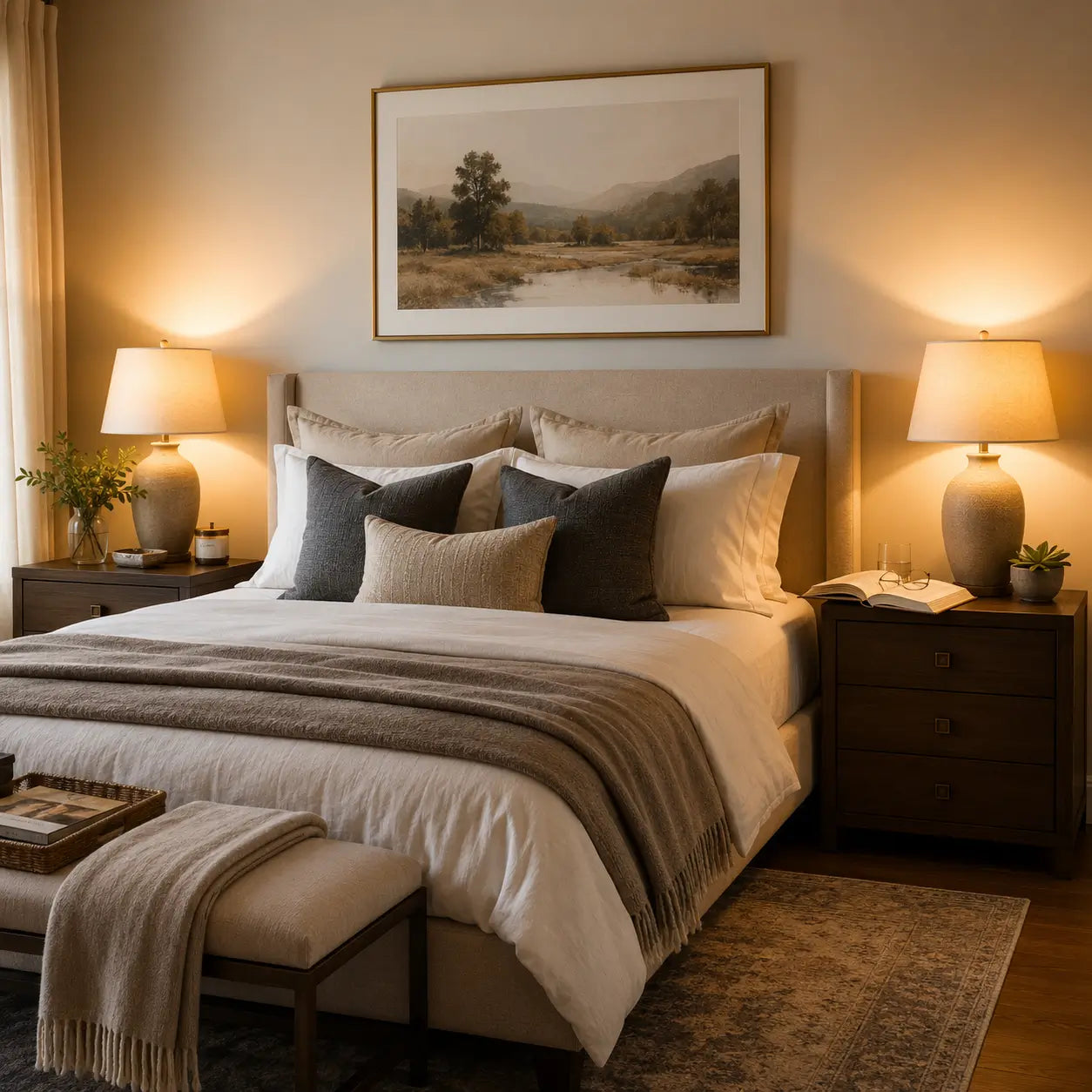
→ Measure Nightstand Height: Record the distance from floor to tabletop, then add 24–30 inches to find your ideal lamp overall height.
→ Match Shade Proportion: Choose a shade diameter about one-third of lamp height to ensure balanced light distribution and style harmony.
→ Check Base Footprint: Confirm the base width and depth fit your bedside table, leaving space for essentials and preventing tipping.
→ Consider Room Scale: Adjust fixture height to room dimensions—taller lamps in high-ceiling spaces, compact models in cozier settings.
How To Measure Nightstand For Lamp Height
Getting bedside lighting right isn’t guesswork—it’s a quick, practical read of your setup. This table lamp size guide breaks down how to measure, match scale, and pick a shade that feels just right, not awkward. Think comfort, reach, and clean visual balance.

Quick Measure of Your Nightstand’s Vertical Dimension
Start with the nightstand height—that single number drives most choices in any table lamp size guide.
1) Core measurement flow
-
Measure from floor to table surface using a measurement tool (tape works fine).
-
Add 24–30 inches to estimate ideal total lamp height (base + shade).
-
Check eye level when seated in bed; the bulb center should sit near it for glare control.
2) Fit check on the bedside table
-
Keep the lamp base height proportional so switches are easy to reach.
-
Leave usable space for essentials.
3) Quick reference table
| Nightstand Height (in) | Ideal Lamp Height (in) | Notes |
|---|---|---|
| 22 | 46–52 | Lower beds, softer glow |
| 24 | 48–54 | Standard pairing |
| 26 | 50–56 | Taller mattress stacks |
| 28 | 52–58 | Deep pillows, higher eye line |
| 30 | 54–60 | Platform beds, large rooms |
This table lamp size guide rule keeps light where you need it—no squinting, no harsh bulbs in your face.
Factoring Room Proportion: Matching Lamp Stature to Space Scale
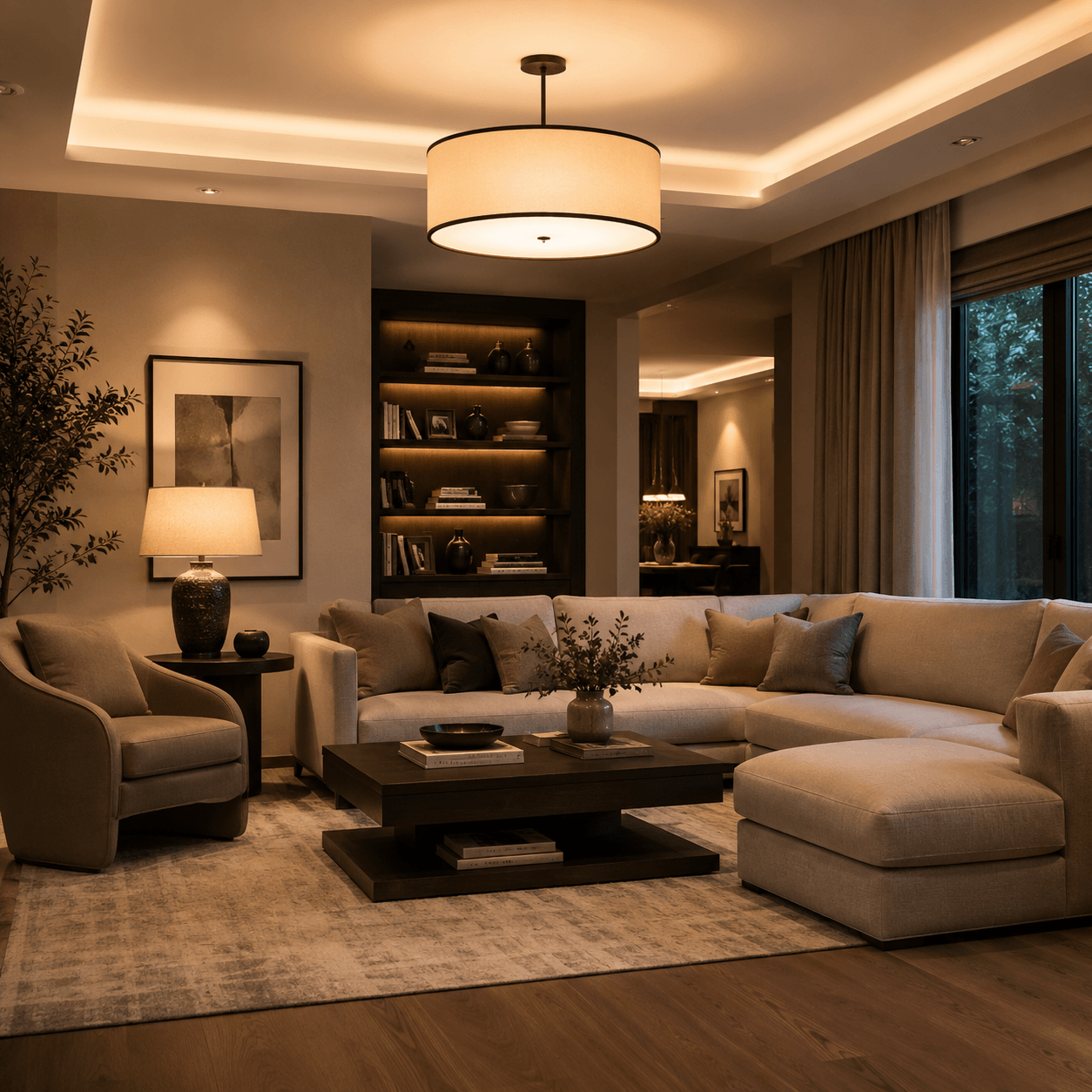
Room context matters as much as numbers. In a compact setup, a tall lamp can feel crowded; in a bigger room with higher ceiling height, a short lamp looks lost.
-
Quick reads
• Small room size + low bed: choose modest lamp stature
• Large room + bold furniture scale: go taller for visual balance
• Mixed pieces: aim for calm design harmony
-
Practical tweaks
-
If your headboard is tall, nudge lamp height up a bit.
-
If the space feels busy, reduce height or slim the profile to fix space proportion.
-
Keep the overall aesthetic consistent—don’t mix a chunky base with ultra-delicate surroundings.
-
Using this table lamp size guide approach, you’re matching presence, not just inches.
Choosing the Right Shade Size and Base Footprint
Now dial in the parts that people actually see and touch.
Step 1: Shade math
- A lamp shade typically works best when its shade diameter is about one-third of total lamp height. That keeps shade proportion clean and helps even light diffusion.
Step 2: Base reality check
- The lamp base should sit comfortably within the base footprint of your tabletop. Leave room for a phone, book, or water—don’t crowd the tabletop space.
Step 3: Visual weight
- Balance visual weight: a heavy base pairs with a slightly wider shade; a slim base needs a lighter shade to avoid tipping the look.
Run this against your table lamp size guide notes and you’ll land on a setup that looks right and feels easy to live with.
5 Steps: Determine Your Ideal Lamp Height
Getting the right fit isn’t just about style—it’s about comfort and function. This table lamp size guide breaks things down so your lighting actually works for your space, not against it. From nightstands to room scale, here’s how to land on a height that feels just right.

Assess Bedside Table Elevation
Your bedside table and nightstand set the stage, so start there and keep it real simple:
-
Measure table height against your mattress height
-
Check how your bed frame affects overall surface level
-
Adjust lamp placement so light hits naturally at eye level
Now go a layer deeper:
-
Core alignment
-
Eye line vs furniture elevation
-
Sitting vs reclining angles
-
-
Practical spacing
-
Leave room for daily items
-
Avoid edge crowding
-
Short version? If your lamp feels too low or blindingly high, your table lamp size guide math is off.
Calculate Vertical Dimension Using Reading Lamp Metrics
Dialing in lamp height isn’t guesswork—it’s small adjustments that add up:
-
Measure floor to eye level when seated
-
Set reading lamp so shade bottom meets that line
-
Check illumination zone for even light output
Then refine:
-
Visual comfort
-
Reduce glare
-
Balance task lighting
-
-
Functional tweaks
- Shift by 1–2 inches if needed
This step alone upgrades any table lamp size guide into something practical, not just decorative.
Choose Appropriate Shade Diameter for Balance
A solid rule that rarely fails:
- Lamp shade width ≈ 2× base width
But balance goes beyond math:
-
Aesthetic layer
-
Maintain visual balance with room decor
-
Match fixture size to table scale
-
-
Lighting effect
-
Wider shade diameter = softer spread
-
Narrow shades focus light distribution
-
Zarvo Lighting often designs with this ratio in mind, keeping things clean without looking stiff.
Validate Base Size for Stability on a Side Table
No one wants a wobbly lamp—it’s annoying and risky.
-
Base essentials
-
Wide enough lamp base for weight distribution
-
Stable lamp footprint on your side table
-
Dig a bit deeper:
-
Safety check
-
Reduce tipping risk
-
Keep cords from pulling weight off-center
-
-
Space planning
- Leave room on the table surface for essentials
A good table lamp size guide always accounts for real-life use, not just looks.
Match Fixture Height to Your Room Dimensions
Here’s where scale pulls everything together:
-
Room fit
-
Taller lamps suit larger room dimensions
-
Lower profiles work in tighter spaces
-
Layered thinking helps:
-
Vertical harmony
-
Align with ceiling height
-
Balance overall lamp fixture presence
-
-
Style integration
-
Match ambient lighting needs
-
Keep space proportion consistent
-
Zarvo Lighting leans into this balance—nothing oversized, nothing awkward. Just the right height that blends into your room without disappearing.
By the end of this table lamp size guide, you’re not guessing anymore—you’re adjusting with purpose.
Avoid Eye Strain—Correct Lamp-To-Bed Distance
A solid table lamp size guide isn’t just about looks—it’s about comfort at night. When your setup matches your body and space, reading feels easy, not harsh. Let’s tune lamp height and spacing so your eyes can finally relax.

Align Lamp Elevation with Your Seating and Mattress Height
Getting optimal elevation right comes down to how you actually sit in bed, not some showroom guess.
-
Core alignment
-
Seating position
-
Sit upright against pillows
-
Notice where your natural gaze falls
-
-
Eye level
-
The shade bottom should meet this line
-
Not above (glare) or below (dim spread)
-
-
-
Furniture interplay
-
Nightstand height
- Slightly below mattress height works best
-
Table lamp proportions
- Base + shade should keep light centered at eye line
-
-
Quick check using a table lamp size guide
-
Sit → look forward → adjust lamp until light feels indirect
-
If bulb peeks into view, lower or swap shade
-
A good lamp height setup quietly disappears—you just notice the comfort.
Optimize Distance for Task Lighting and Ambient Glow
Distance makes or breaks your light placement, even with a perfect table lamp size guide.
Keep it practical:
-
16–24 inches from pillow edge = sweet spot for reading light
-
Closer than 16 inches? Too intense, uneven illumination
-
Beyond 24 inches? Weak light spread, eye strain creeps in
Now blend uses:
-
For task lighting, angle the shade slightly inward
-
For ambient glow, keep the lamp upright and diffused
-
For balance, use medium-watt bulbs to avoid overpowering the space
If you’re following a table lamp size guide, this spacing keeps brightness useful, not annoying. Think focused but soft, not spotlight harsh.
Incorporate Accent Lighting Without Creating Glare
Layering accent lighting works best when it supports—not competes with—your bedside setup.
-
Visual comfort system
-
Lamp shade choice
-
Fabric or frosted diffuses light intensity
-
Avoid exposed bulbs for glare prevention
-
-
Indirect lighting
- Wall bounce or backlighting adds depth
-
-
Style + function
-
Pair a decorative lamp with your main bedside light
-
Keep beams offset from direct eye level
-
-
Fine-tuning with a table lamp size guide
-
Match shade width to base for even glow
-
Keep brightness layered, not stacked
-
Done right, the room feels calm, your eyes stay relaxed, and the lighting just fits.